
"coffee harvest year"
10000 article(s) found

Coffee production in Cameroon continues to decline
Cameroon's coffee harvest year of 2013 and 2014 was officially launched on the 24th of the year in Melong, Moungo, in the Karabinhai region.
Harvest and processing of Fine Coffee
Coffee is the fruit of a Rubiaceae plant growing about 6000 feet above sea level, distributed on the world's narrow subtropical axis; coffee trees grow green all the year round and can grow up to 20 feet tall, and are generally controlled at 8 to 10 feet for easy harvest. It takes three to five years for the coffee tree to bear fruit. First of all, it produces small white flowers that resemble jasmine in shape and size, and then wither and bear deep fruit.

Introduction to the Environment of Coffee planting areas in Kenya
Coffee trees in Kenya can bloom twice a year. Most coffee trees bloom in March and April after the long rainy season, and in most coffee producing areas, the harvest season lasts from October to the end of the year. Some coffee trees blossom in October or November and are harvested in July of the following year. Kenyan coffee has always been picked by hand, and farmers only harvest red mature coffee beans.

Introduction of El Salvador Coffee Fog into Gorge Farm, the best coffee origin in the world.
Professional coffee knowledge exchange more coffee bean information please follow the coffee workshop (Wechat official account cafe_style) El Salvador Fog into the Gorge Farm Bourbon / Pacas Honey treatment El Salvador Urrutia Bourbon/Pacas honey production country: El Salvador El Salvador production area: San Salvador San Salvador producer: fog into the Gorge Farm Urrutia

Varieties of coffee harvested and processed
Coffee is the fruit of a Rubiaceae plant growing about 6000 feet above sea level, distributed on the world's narrow subtropical axis; coffee trees grow green all the year round and can grow up to 20 feet tall, and are generally controlled at 8 to 10 feet for easy harvest. It takes three to five years for the coffee tree to bear fruit. First of all, it produces small white flowers that resemble jasmine in shape and size, and then wither and bear deep fruit.
Coffee harvest time manually picked coffee beans
The vast majority of coffee is hand-picked. In order to ensure the quality of coffee, the picker needs to identify which fruits are suitable for harvest and pick them from the trees one by one, which takes a lot of energy and time. In this era of technology, such a human hand work is precious. (Due to different planting areas, the receiving time will also change)
The price of coffee beans is high and stable.
Yunnan, as China's largest coffee bean planting, production and export base, has been busy picking coffee beans since October and continues until May next year. A relevant official of the Yunnan Provincial Meteorological Bureau revealed that this year, the spring drought in Yunnan Province is not obvious, the summer drought is very serious, and the autumn drought is more serious than usual, and the drought is likely to continue to develop after the end of the rainy season. At present, it is the rain in Yunnan

What are the coffee bean import and export countries? which country is the largest coffee exporter in the world?
Professional coffee knowledge exchange more coffee bean information Please follow the coffee workshop (Wechat official account cafe_style) people who like to drink single beans like to drink Colombian coffee, super Colombian coffee has a rich and rich aroma, it does not taste as strong as Brazilian coffee, nor does it have obvious acidity like African coffee, but with clear high-quality acidity and high average
Maple syrup in coffee flavor spectrum
Chinese seldom drink pure maple syrup. Here is a brief introduction. When you are an exotic sketch, you may be able to import some of your coffee shop as a collection in the future. If the benefits are spread equally to every American, the average person consumes 3 ounces of maple syrup a year. But considering that only 6.4% of Chinese are in the habit of eating maple syrup (2.5% in 2005).
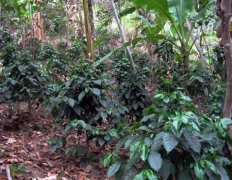
The production of coffee beans with basic knowledge of fine coffee
Coffee trees take 3-5 years from planting to fruiting. 6-10 years of coffee trees are the most likely to bear fruit, about 15-20 years, is the harvest period. Coffee trees are usually bred in nurseries and grow into saplings, and then moved to coffee farms a year later, in full compliance with the way the Arabs planted and cultivated coffee trees. Coffee trees will continue to take root downward and upward in the first four or five years of their growth.

Carmen Estate Carmen Farm in Panama
Professional baristas exchange please follow the coffee workshop (Wechat official account cafe_style) Panama Carmen Estate Carmen Farm has established a special, exquisite trend, Panamanian Coffee! Introduce clearer, better, more diverse Panamanian beans to add to the coffee journey. These beans, whether they are honey treatment, water washing or sun drying, are all after a bumper harvest in the harvest season.
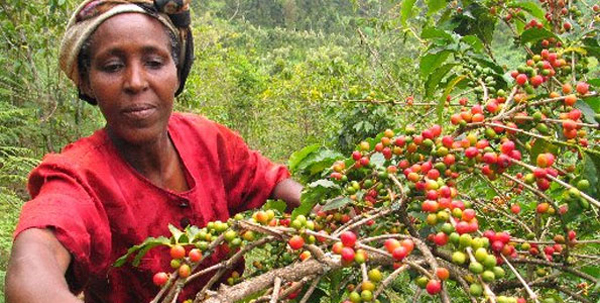
The harvest time of coffee fruit knowledge of growing coffee beans
The vast majority of coffee fruits are picked manually. In order to ensure the quality of coffee, pickers need to identify which fruits are suitable for harvest and pick them one by one from the tree, which takes a lot of energy and time. In this era when the tide of science and technology is sweeping in, such humane manual work is very precious. Due to different planting areas, the receiving time also changes.

The international market for coffee is in the doldrums, coffee farmers in Brazil and Vietnam are unable to sell it, and Arabica has also dropped its price this year.
Due to the downturn in the international market for coffee, coffee farmers in Vietnam and Brazil are generally unable to sell coffee despite bumper harvests, in order to resist the downward pressure of prices, and the dream of bears may be dashed. The international market for Robusta coffee has fallen 17% this year, and coffee farmers in Vietnam's main growing region, Dole province, are generally reluctant to sell until after the Lunar New year. The price of Arabica coffee has also fallen by 8% this year, so Brazilian coffee farmers

The treatment of raw coffee beans Coffee trees bear fruit several times a year
The spread of coffee beans originated in Ethiopia, about 850 in the Christian era. It then spread throughout the Arabian Peninsula, and coffee was not really documented until the 900th year of the Christian era. At that time, the Yemenis carefully guarded the coffee in order to prohibit the outflow of coffee. However, some coffee saplings are smuggled to the Netherlands and planted in greenhouses. Coffee was not available in America until 1723.

Yunnan Coffee production reduced by 40% Price encountered roller coaster
In recent years, the coffee industry in Yunnan has developed rapidly. Yunnan coffee has grown from more than 300,000 mu in 2008 to more than 1.4 million mu at present. The output rose from about 30,000 tons to more than 80,000 tons in 2013. Yunnan coffee planting area and output accounted for more than 99% of China's coffee planting area and output.

Coffee fruit harvest time what is the time for picking coffee beans?
The vast majority of coffee fruits are picked manually. In order to ensure the quality of coffee, pickers need to identify which fruits are suitable for harvest and pick them one by one from the tree, which takes a lot of energy and time. In this era when the tide of science and technology is sweeping in, such humane manual work is very precious. Due to different planting areas, the receiving time also changes.

Nicaraguan Coffee Manor Flavor Taste introduces Joy Manor
Coffee is Nicaragua's main export. According to the president of the Nicaraguan Coffee Farmers' Federation, due to the poor harvest of coffee in Nicaragua's Pacific region, the country's total coffee production in 1998 may be 12% lower than that in 1997. In the coffee year of 1997 and 1998, Nicaragua harvested 1.422 million bags of coffee (each bag of 46kg), which has been producing 1% of coffee in the past 14 years.

Introduction to the Variety characteristics of Coffee Flavor description treatment method in Bogut Jade Manor, Panama
Panamanian Emerald Manor introduction Coffee varieties: Geisha, Catuai, Caturra planting altitude: 1400-1700m annual rainfall: 3200 mm average temperature: about 14-25 ℃ soil types: volcanic soil classification standard: SHB treatment method: manual harvest related certification: Nash A raw bean specification: 18 mesh harvest year: 2015 coffee varieties: Geisha, Cat

Coffee farmers in Brazil and Vietnam are unable to sell, short dreams may fail. How to drink Brazilian coffee?
Professional coffee knowledge exchange more coffee bean information please follow the coffee workshop (Wechat official account cafe_style) in-depth understanding of the world's largest coffee producer Brazil coffee bean grade due to the coffee international market downturn, Vietnam and Brazil coffee farmers although bumper harvest, but generally hesitate to sell, in order to resist the price pressure, short dream may be dashed. Robusta Coffee International
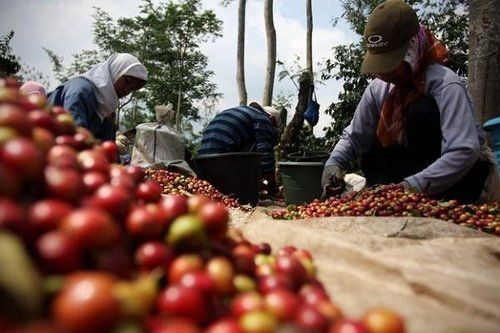
The 40% increase in exports of the coffee industry in Honduras this year has greatly enhanced the status of coffee.
Dagoberto Suazo, director of the coffee production and marketing cooperative in Honduras, said that coffee production and export in Honduras have grown significantly due to pest control and proper fertilizer application. The industry leader pointed out that the coffee production in Honduras this harvest year has exceeded the 4 million yuan in the last harvest year (2014-2015), if this trend continues.